Sen. James Lankford says Congress should ratify any deal Trump makes with Iran
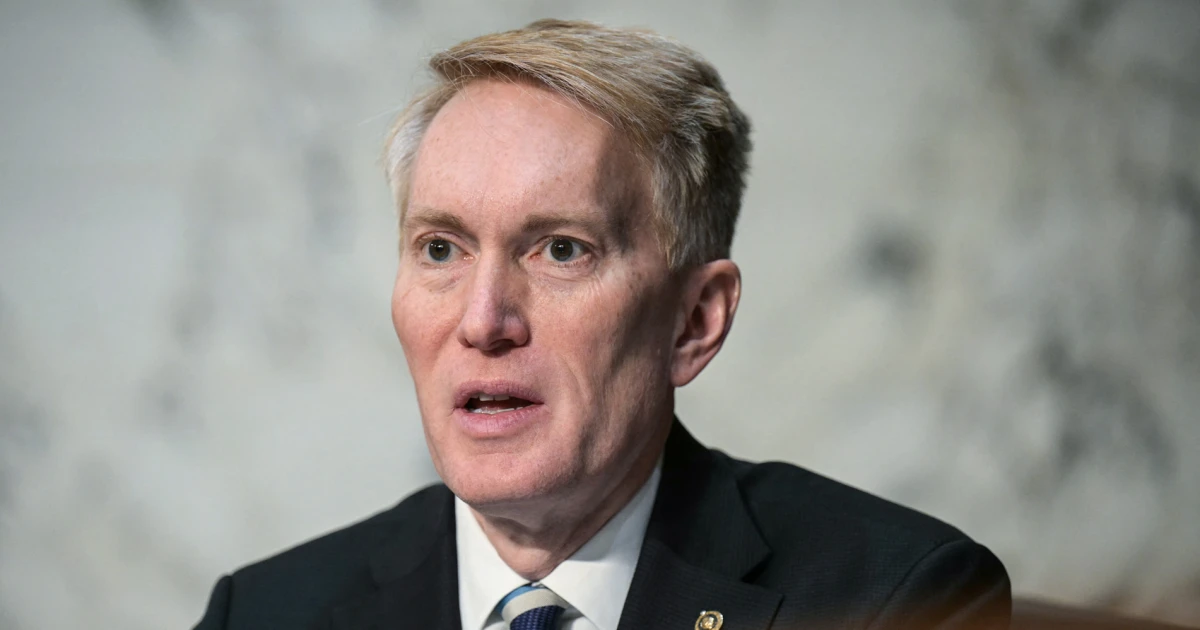
Sen. James Lankford, R-Okla., on Sunday said “it is best” if Congress votes to ratify any potential deal to end the war in Iran, saying that a deal approved by Congress would have a more “lasting effect.”
Read more Trump endorses Rep. Mike Collins in Georgia Senate race
“It is best if it is ratified by Congress; it has a more lasting effect on it,” Lankford told NBC News’ “Meet the Press.”
He added that President Donald Trump is seeking to “end Iran’s constant attack of Americans and American assets and American allies in that region,” which the Oklahoma senator said has been going on for 47 years.
“To try to end that forever helps us in this generation and in future generations,” Lankford added.
Lankford on Sunday also criticized the Obama-era Iran nuclear deal, saying he would expect a deal signed by Trump to be stronger.
The nuclear deal signed by former President Barack Obama was never ratified by Congress and “President Trump was right to be able to tear that up,” Lankford told “Meet the Press” moderator Kristen Welker.
The Oklahoma senator added that the past deal, “opened a pathway towards a nuclear weapon, and just delayed it outside of the Obama presidency. That doesn’t help the American people long term.”
Trump has long railed against the Obama-era nuclear deal with Iran, which forced the nation to curb its uranium enrichment in exchange for international sanctions relief. As recently as Saturday, in his Truth Social post, the U.S. president wrote, “Barack Hussein Obama’s Deal with Iran, the JCPOA, was an easy, beautiful, smooth road to a Nuclear Weapon, which Iran would have had six years ago, and would have used long before now. My Agreement with Iran is the exact opposite.”
During Trump’s first term, he pulled out of the deal and reimposed sanctions on Iran.
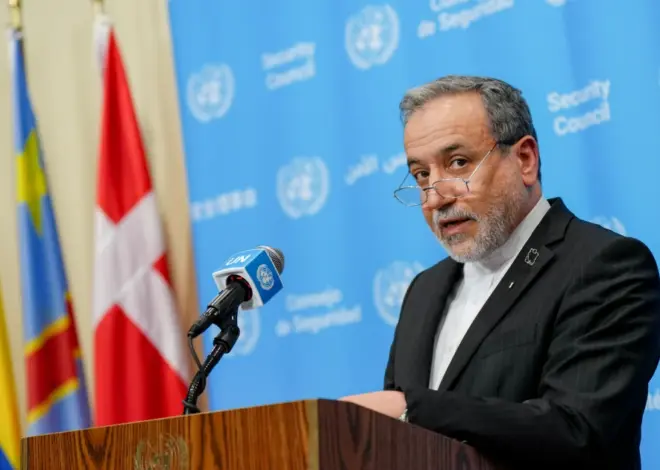
His remarks come as U.S. and Iranian officials have signaled that the two sides are close to signing a deal to end the ongoing military operation that began in late February when the U.S. and Israel launched joint strikes on Iran.
Read more Poll: Democrats maintain an edge in the fight for Congress as Trump gets poor marks
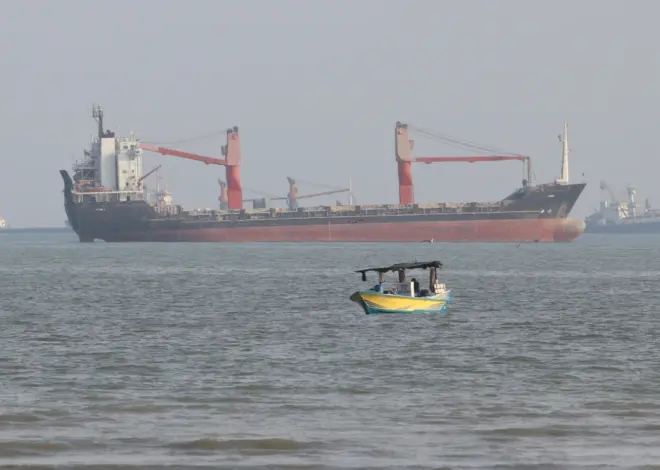
Iran closed the Strait of Hormuz, a crucial maritime passageway for oil tankers, in response which sent oil prices soaring globally and gas prices surging in the U.S.
On Saturday, in a post on Truth Social, Trump wrote, “The Deal is scheduled to get signed tomorrow, and immediately after it is signed, the Hormuz Strait is OPEN TO ALL.”
He added, “Hopefully, this process will all work out quickly, easily, and smoothly. If it doesn’t, we have the ultimate alternative, hopefully never to be used again!”
The president did not disclose what is in the deal, except that it includes “A WALL TO NO NUCLEAR WEAPON!”
Pakistani Prime Minister Shehbaz Sharif on Saturday also characterized negotiations about a final deal as closer “than ever before.”
Lankford cautioned that he has not seen the details of the deal, but “not having a nuclear program, not having a closed Strait of Hormuz, and not having a terrorist nation actually terrorize the rest of its neighbors and the United States, would be a huge gain for us.”
On Sunday, Tehran’s semiofficial news agency, Fars, reported that Iranian officials had still not signed off in agreement of the final deal.
Iran’s Foreign Ministry spokesman Esmail Baghaei, according to Iranian state media, on Saturday said that the deal wouldn’t be signed on Sunday due to “the other side’s inconsistency.”
Pakistani Prime Minister Shehbaz Sharif on Saturday also characterized negotiations about a final deal as closer “than ever before.”