Strait of Hormuz to reopen, U.S. to lift Iran sanctions under 14-point deal seeking to end Iran war
The U.S. is expected to lift sanctions on Iran and unfreeze funds and assets linked to the country’s regime, under a 14-point memorandum of understanding provided to NBC News by a senior U.S. official.
Read more Israel cut out of Iran deal as Trump keeps deriding Netanyahu in public
The interim agreement declares an intent to bring about an “immediate and permanent termination of military operations” in the U.S-Israeli war with Iran, which began Feb. 28, unleashing chaos across the Middle East and rattling the world economy.
Both sides will commit to further talks toward a more substantive “final deal” within 60 days, “extendable with mutual consent.”
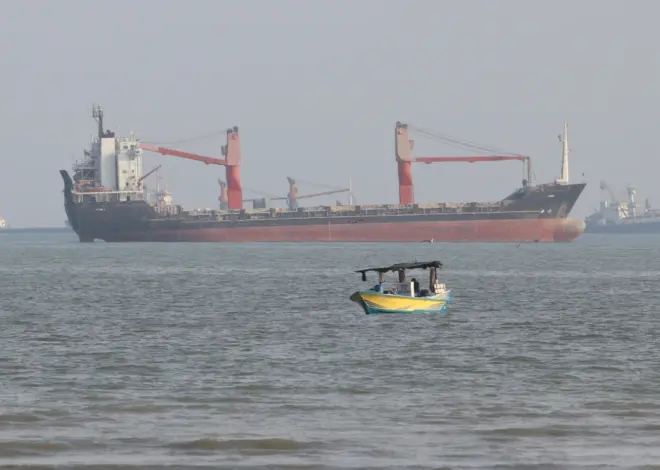
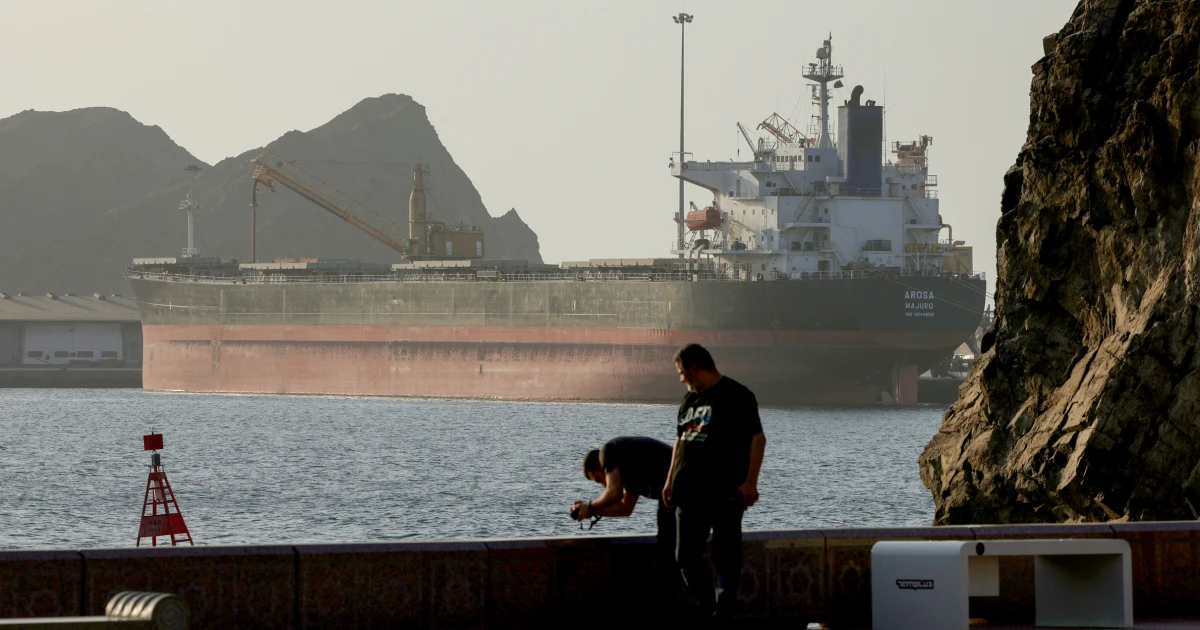
The MOU stipulates that the Strait of Hormuz should reopen, with Iran agreeing to allow “safe passage of commercial vessels with no charge for 60 days only,” followed by negotiations with Oman to “define the future administration” of the vital trade route, through which some 20% of the world’s oil passed before the war.
Under the agreement, the U.S. will “terminate all types of sanctions,” will “make fully available for use the frozen or restricted funds and assets,” and will begin the removal of its naval blockade of Iran’s ports.
Iran “reaffirms that it shall not procure or develop nuclear weapons,” with a mechanism to be “mutually agreed” relating to its “enriched material” stockpile.
The senior U.S. official said that Iran’s commitment to the destruction of its enriched stockpile is “a major, major win for the United States of America,” adding that sanctions relief will be tied to the nuclear settlement and “to the extent” that Iran fulfils its obligations.
One point in the memorandum that could draw criticism is a commitment for the U.S. to work with regional partners to develop a plan for at least $300 billion to be distributed to Iran for “reconstruction and economic development.” The draft memorandum notes that the mechanism for the distribution of these funds will be hammered out during the 60-day negotiation period.
The senior U.S. official downplayed this point and noted that the U.S. is not required to contribute to the fund.
“What it says is that if we get to a final deal and if the Iranians behave, we will permit the sanctions relief that would allow, for example, the Emiratis to build a power plant in Iran. That’s all it says,” the senior official said. “If they do what they have to do, we will permit the investment in the reconstruction of their country.”
A second senior U.S official said the agreement is the same text as agreed Sunday, adding that Iran had requested it not be released until now. “I think it was obviously unfortunate, we weren’t able to put it out right away,” they said.
They added: “If we’re not able to make a great deal, President Trump’s very clear that he’s a lot of tools at his disposal, and he will not be afraid to use them.”
A ceasefire was agreed to in April to allow for negotiations, though both sides have since continued with some strikes.
World leaders attending the G7 summit in the French resort town of Evian-les-Bains threw their support behind the agreement early Wednesday.
Read more Pentagon releases names of 8 people killed in B-52 plane crash at California Air Force base
Trump says U.S. may bomb Iran again if Iran doesn’t abide by agreement
In a declaration issued overnight, they called the deal a “historic opportunity to prevent Iran from acquiring any nuclear weapon and tackling the threats related to its regional and ballistic activities.” They added that they were “ready to contribute to its implementation.”
Although the G7 leaders gave it their backing, Trump still has to sell the deal to some members of his own Republican Party, who will likely be skeptical about measures to curb Iran’s nuclear ambitions.
Trump administration officials have for months said that the primary objective of the war is to prevent Iran from obtaining nuclear weapons, and have maintained the issue will be central to any deal, eight years after Trump’s decision during his first term to withdraw from a previous agreement reached under former President Barack Obama, known as the JCPOA.
That deal saw Iran agree to limit its nuclear program, with compliance checks from U.N. inspectors, in return for a “comprehensive lifting” of sanctions and an unfreezing of assets.
“His deal was really dangerous, what he did, he gave them everything including a lot of money,” Trump said on Wednesday. He later added that his own deal would see frozen Iranian funds released “only if they’re doing things right.”
Iran has always insisted that it does not want to develop nuclear weapons, although U.S. officials say it has enriched uranium to near weapons-grade, well beyond that needed for civilian uses, and has a history of noncompliance with the International Atomic Energy Agency.
One of the most delicate parts of the agreement calls for an immediate end to all fighting, including in Lebanon, where multiple ceasefire efforts have failed to bring about an end to strikes between Israel and the Tehran-backed militant group Hezbollah.
“The Lebanon peace is something we’ll have to work on a little bit,” Trump said Wednesday.
Israel is not a direct party to the U.S.-Iran agreement. “We’ve had very, very constant contact with the Israelis,” the second U.S. official said. “They remain skeptical, as we remain skeptical, and obviously they’re preparing for what will happen in the event that Iran does not make the concessions in the final deal.”
They added: “We were very clear with Iran that this will not be a one-sided ceasefire, you know, they have to get a collar on their dog in Hezbollah, and they’ve got to hold them back. And if Hezbollah attacked Israel, Israel’s going to have the full ability to go and attack back.”
Iran has said that under the deal, Israel must withdraw its forces from the south of Lebanon, where nearly 4,000 people, including hundreds of civilians, have been killed and more than 1 million people displaced since fighting there began on March 2.
Israel has maintained it will continue to defend itself and to occupy vast swaths of Lebanon, and some strikes have continued this week despite the agreement.
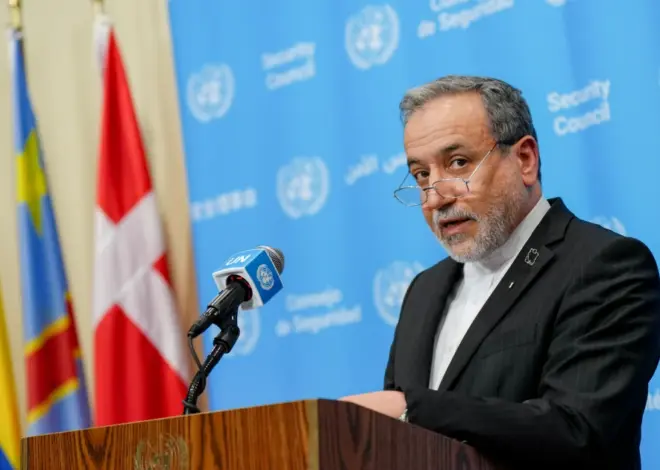
An executive mechanism “will be established to monitor the successful implementation” of the U.S.-Iran deal, which will be endorsed via a binding U.N. Security Council resolution, according to the text of the MOU.
Read more Anxious Republicans await details of Iran deal as Trump keeps them guessing