Severe storms continue through Tuesday after floods wreak havoc across U.S.
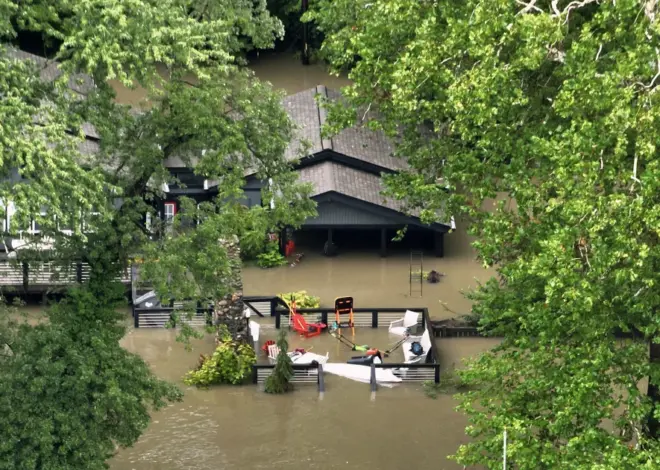
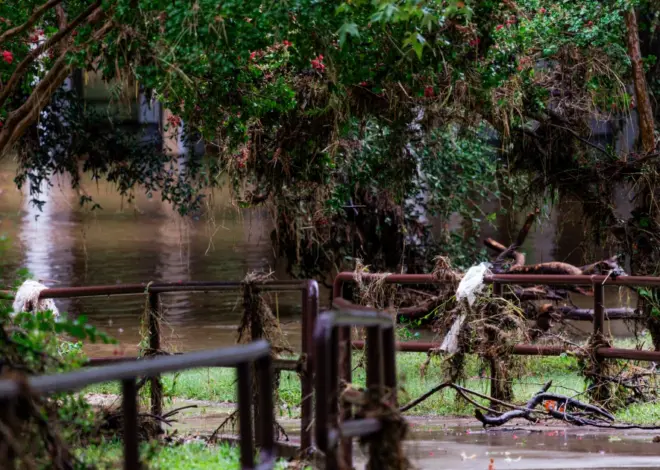
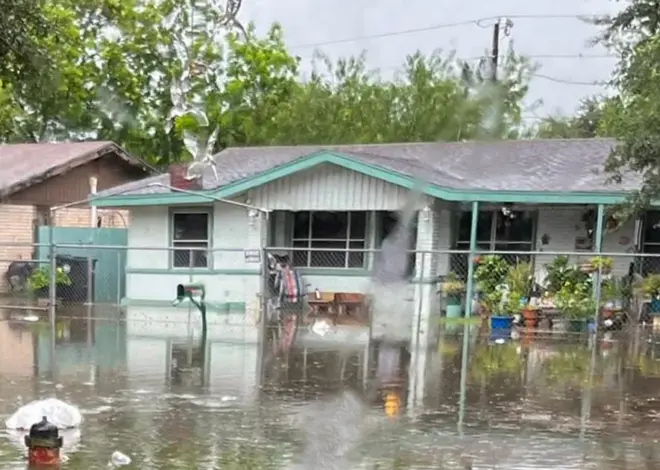
More than 250 storms brought heavy rain, dangerous flooding, and high winds to areas across the U.S. overnight, and the threat is set to continue Tuesday.
Read more Sen. Dan Sullivan’s same-named challenger sues to stay in Alaska primary race
Video from Kentucky showed emergency crews wading through knee-deep floodwaters to rescue residents who got stuck in their cars amid the floods on Monday. In New Jersey, cars and trucks were similarly stuck in rising waters.
Meanwhile, a suspected tornado touched down in Virginia, leaving behind fallen trees that blocked roads, and tens of thousands were without power in the southeast due to downed power lines. Out west, 100 mph winds struck up dust storms in Colorado.
The storms have impacted nearly half of the country — even forcing a Monday evening World Cup game in Philadelphia to pause at halftime after reports of lightning.
Airports from Boston to Washington imposed ground stops on Monday amid severe weather, resulting in 10,000 flight disruptions to start the week.
Flight delays and cancellations were already climbing on Tuesday, with 851 delays and 175 cancellations within the U.S. reported early in the day.
Some of the most affected airports include northeast hubs — John F. Kennedy International Airport and LaGuardia Airport in New York, Philadelphia International Airport, and Ronald Reagan Washington National Airport — as stormy weather and low visibility persist Tuesday morning, according to the flight-tracking website FlightAware.
Another 12 million people are at risk for more storms on Tuesday across two key regions.
The first is the Mid-Atlantic from eastern North Carolina into southeastern Virginia and southern Maryland. Damaging winds are the main risk, but a brief tornado or two can’t be ruled out.
Flash flood warnings and watches are up from Norfolk, Virginia into West Virginia. The storm system is expected to continue east on Tuesday, with risks in the Mid-Atlantic, where isolated rainfall totals could reach 2-4 inches Tuesday.
Read more Trump insists Iran has agreed to nuclear inspections in talks for war-ending deal
The second area is across the western high plains into the central plains, from eastern portions of Wyoming and Colorado to the Oklahoma-Texas border.
Very large hail, greater than 2 inches in diameter, and damaging winds are likely. A few tornadoes are also possible.
The storm threat continues into Wednesday, especially in the western high plains, from eastern Wyoming to eastern New Mexico and the Texas Panhandle.
Intense heat in the south and west
The West Coast might be wishing for rain.
Heat alerts are in place from Louisiana up through the Pacific Northwest, where 30 million people are under heat watches, warnings and advisories.
Scattered record highs are possible in a number of states, including temperatures up to 110 degrees in Las Vegas, 111 degrees in Phoenix, 100 degrees in Albuquerque and 101 degrees in Lubbock.
Humidity will also play a role along the Gulf Coast, bringing heat index values even higher.
The intense heat is expected to plague the region through the end of the week, creating dangerously hot conditions for the affected areas.
As the West Coast starts to cool, though, areas in the east will heat up. Heat will build later this week and into the weekend, with triple-digit temperatures expected in parts of the southern plains, the southeast, and northern Florida.
Read more Students are getting paid to make their classmates love AI