Trump threatens Iran over any ‘attempt to assassinate’ him after open calls for killing at Khamenei’s funeral
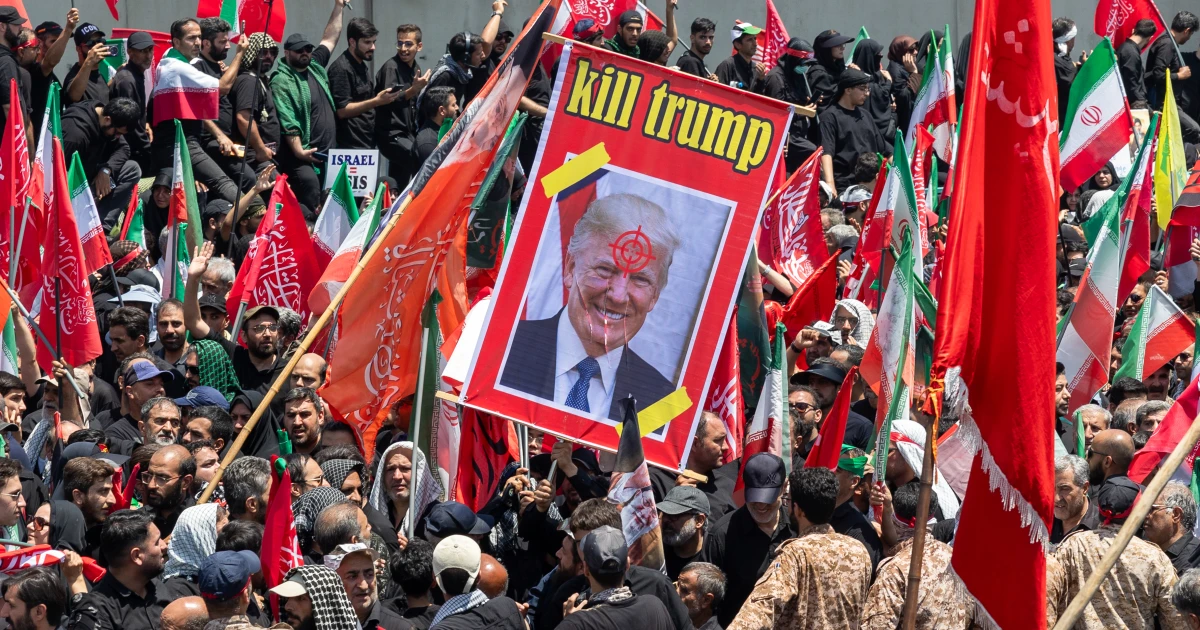
DUBAI, United Arab Emirates — U.S. President Donald Trump threatened Iran after the funeral of Supreme Leader Ayatollah Ali Khamenei saw open calls for his killing, further underlining the tensions gripping the Mideast as an interim deal to end the war buckles under repeated crossfire in the region.
Read more If Spain wins the World Cup, this substitute could be the deciding reason
Trump made the comments on his Truth Social after senior U.S. officials demanded that Iran make a public statement saying the Strait of Hormuz is open and that ships crossing the vital corridor won’t be attacked any longer.
So far, Tehran has not done so, instead insisting the route remain under its control and that it be allowed to charge ships moving through it, upending decades of precedence considering the strait an international waterway.
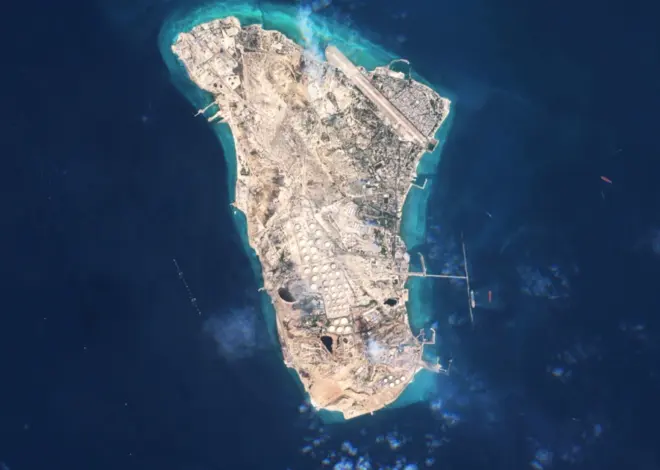
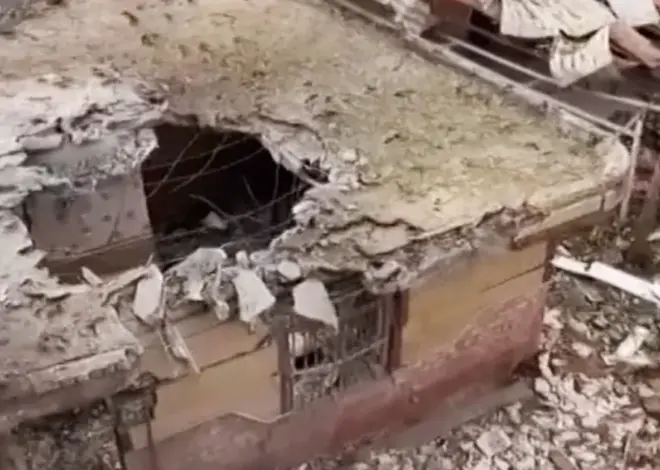
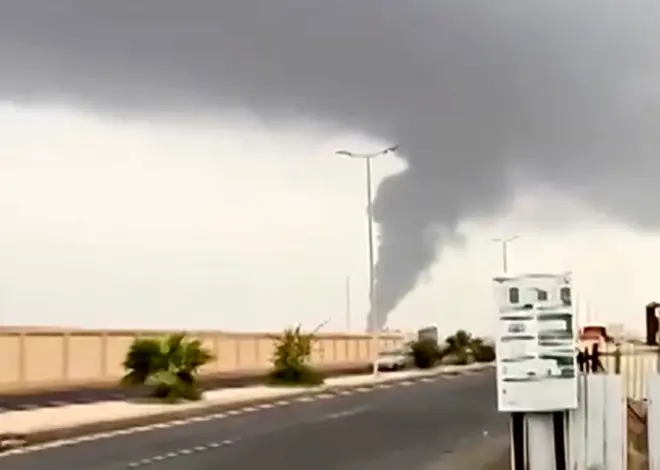
There had been multiple days of U.S. airstrikes targeting Iran, as well as Iranian retaliatory fire targeting nations across the Mideast. Those strikes had been sparked by Iran attacking three ships in the strait earlier this week.
A thousand missiles “are Locked and Loaded and aimed at the Islamic Republic of Iran, with thousands of more to immediately follow, should the Iranian Government act on its threat, pronounced in many corners of the Globe, to assassinate, or attempt to assassinate, the sitting President of the United States of America,” Trump wrote in the overnight post.
During Khamenei’s funeral, mourners repeatedly held posters or banners calling for him to be killed along with Israeli Prime Minister Benjamin Netanyahu.
The Iran war’s opening moments on Feb. 28 saw an airstrike that killed Khamenei, 86. Iran only buried Khamenei this week in a dayslong funeral ceremony that saw his body taken to cities in both Iran and Iraq.
Trump added in his post that in such an instance, U.S. military would “completely decimate and destroy all areas of Iran — PRAISE BE TO ALLAH!”
Trump repeatedly during the war and its uneasy ceasefire has invoked the name of God in Arabic, as well as threatened to destroy Iran’s very civilization. The Council on American-Islamic Relations, a nationwide advocacy group, in the past has criticized Trump’s “deranged mocking of Islam.”
The U.S. officials, who spoke on condition of anonymity to describe to reporters the state of play with Iran, said the resumption of strikes this week came after what they described as a rogue faction of Iranian hard-liners trying to sabotage the ceasefire between Tehran and Washington.
However, Iran has insisted its theocracy is unified after the war under the country’s new supreme leader, Ayatollah Mojtaba Khamenei.
The U.S. officials said Friday that Trump is giving U.S. negotiators limited time to reach a deal with Iran, but, in a sign of the challenges ahead, they underscored that the president had a wide range of options if talks fall apart.
Moments before the U.S. officials spoke, however, Tehran’s diplomat at the United Nations told reporters that any activity in the Strait of Hormuz, including its opening or demining operations, “rests exclusively with Iran.”
Read more Dog trainer sentenced to nearly 12 years in prison after dogs die in hot van
Qatari mediators separately traveled to Iran to meet with officials on Friday, Iranian Foreign Ministry spokesperson Esmail Baghaei said.
Iran has said the strait must now be under its sole control and that vessels should begin to pay fees to Tehran — even though the world for decades has considered it an international waterway. About a fifth of all traded oil and natural gas passed through the strait before the war began.
Iran’s grip on the strait during the conflict led to a global energy crisis, though oil prices have sharply dropped since wartime highs of $120 a barrel.
After the U.S. wrapped up its latest strikes on Thursday, more attacks reportedly hit Iran, leaving questions about who else may be targeting the Islamic Republic. Israel didn’t claim them, meaning the Gulf Arab states may have launched them, likely as a means to deter Iran from attacking them again. Iran on Thursday retaliated for U.S. strikes by targeting Bahrain, Jordan, Kuwait and Qatar.
Iranian Foreign Minister Abbas Araghchi plans to discuss the strait with his Omani counterpart at a meeting Saturday in Oman, Iran’s state-run IRNA news agency said. Turkish Foreign Minister Hakan Fidan told his country’s state broadcaster TRT that he believed “a solution can be reached” this weekend between Iran and Oman, which lie on opposite sides of the narrow waterway.
However, Araghchi on Saturday accused the U.S. of violating the interim deal by ending waivers allowing Iran to sell crude oil on the open market in U.S. dollars. Washington did that in response to the attacks on ships in the strait.
“Reality check: There can only be mutual compliance,” Araghchi wrote on X.
The U.S. continues to urge mariners to travel on a southern route through Oman’s territorial waters to avoid Iranian waters and the commands of its paramilitary Revolutionary Guard. That has angered Tehran and sparked the attacks in the strait.
The U.S. officials also told journalists that any deal on Iran’s nuclear program would require Tehran to turn over its stockpile of highly enriched uranium. That’s something Iran has repeatedly refused.
If the U.S. does not reach a deal with Iran to turn over its nuclear material, it has military options to ensure that it remains buried underground forever, the officials said. They did not detail those options.
The uranium, enriched to near weapons-grade levels, is believed to be at nuclear sites the U.S. bombed in 2025. Iran long has insisted its nuclear program is peaceful, despite the International Atomic Energy Agency saying the Islamic Republic is the only country in the world to enrich uranium so highly without a weapons program.
The officials also insisted that they would never reach a nuclear deal with Iran if it would not first stop its attacks on ships in the Strait of Hormuz.
Read more Judge grants DOJ’s request to toss remaining Jan. 6 convictions of Proud Boys