U.S.-brokered ‘pilot zones’ offer little relief for Lebanese displaced by Israel’s offensive
ZOUK MOSBEH, Lebanon — A plan brokered by the United States for Israel to withdraw from parts of southern Lebanon in exchange for the disarmament of Iran-backed Hezbollah has so far offered little relief to families displaced by the monthslong military offensive.
Read more Trump says new Iran talks will start Monday after calling off attacks
Mouhamad Ezzeldinne, a father of three, said his family was initially hopeful when they learned last week that they would finally be able to return to their home in Zawtar al-Gharbiyah after living for months in Choueifat, south of Beirut.
The White House had announced on July 20 that their village would be one of the first to reopen to residents under the pilot zone program, which was considered the centerpiece of a framework deal brokered by the U.S. between Israel and Lebanon on June 26 to end the war between Israel and Iran-backed Hezbollah.
But Ezzeldinne, 38, said he was devastated when he returned to the area on July 22, just two days after the “pilot zone” program came into effect.
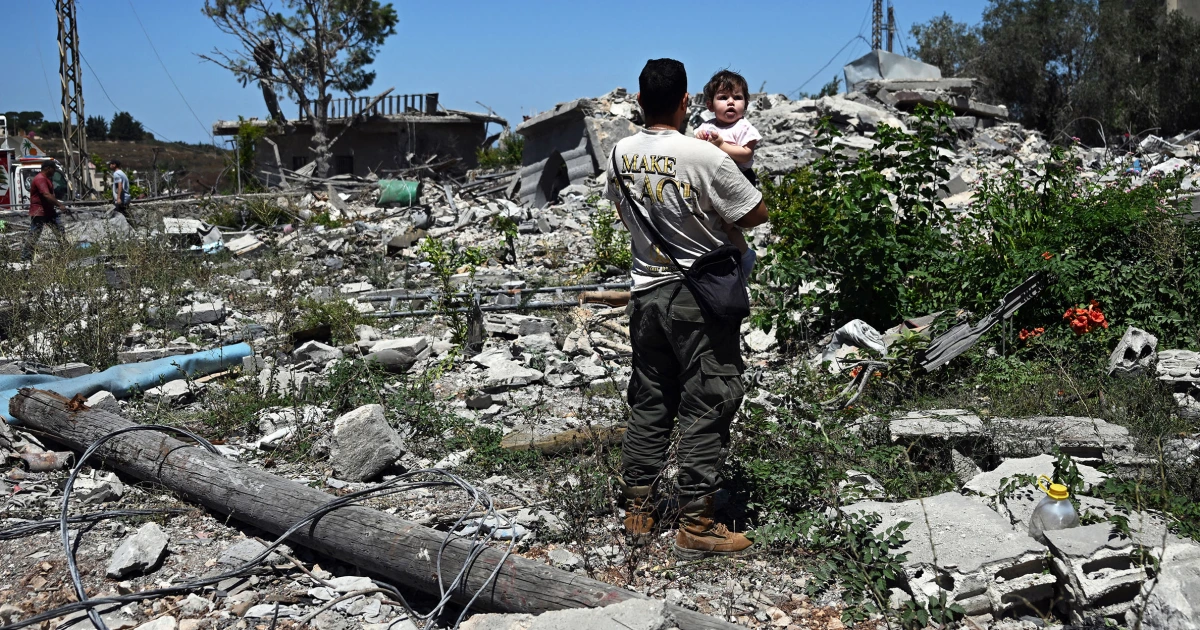
The family’s home had been reduced to rubble, a photo he shared with NBC News showed, with a pile of stones and an ocher cushion poking out of the debris, reminders of the lives once contained there.In addition, much of the municipality, including at least half of its homes, had been destroyed, he said.
“There is no infrastructure left. No water. No electricity. Nothing,” Ezzeldinne told NBC News.
Read more Former Texas Rep. Kay Granger dies at 83
Ezzeldinne, an insurance broker, was among around 100 people who made their way back to the village that day on July 22. He left as quickly as he had come, he said, after witnessing the level of devastation in their hometown, with his family deciding to remain in Choueifat, where they have been renting a home, for the foreseeable future.
“People were extremely disappointed with all the destruction they saw,” he said. “OK, it’s a ‘pilot zone,’ but unfortunately, there is not a single means of living.”
“What’s the purpose?” he said.
With many families from southern Lebanon facing similar circumstances and with Hezbollah still refusing to relinquish its weapons, it is not clear how the pilot zone program will progress. Negotiators from Lebanon and Israel are expected to meet for continued talks in Rome next week.
The latest round of hostilities between Hezbollah and Israel began in March after the U.S. and Israel launched their war on Iran on Feb. 28 and the Iran-backed Lebanese group began striking northern Israel in response, part of a wider war that has consumed the region in the months since.
Read more Myanmar’s Aung San Suu Kyi has rare meeting with Red Cross amid health concerns