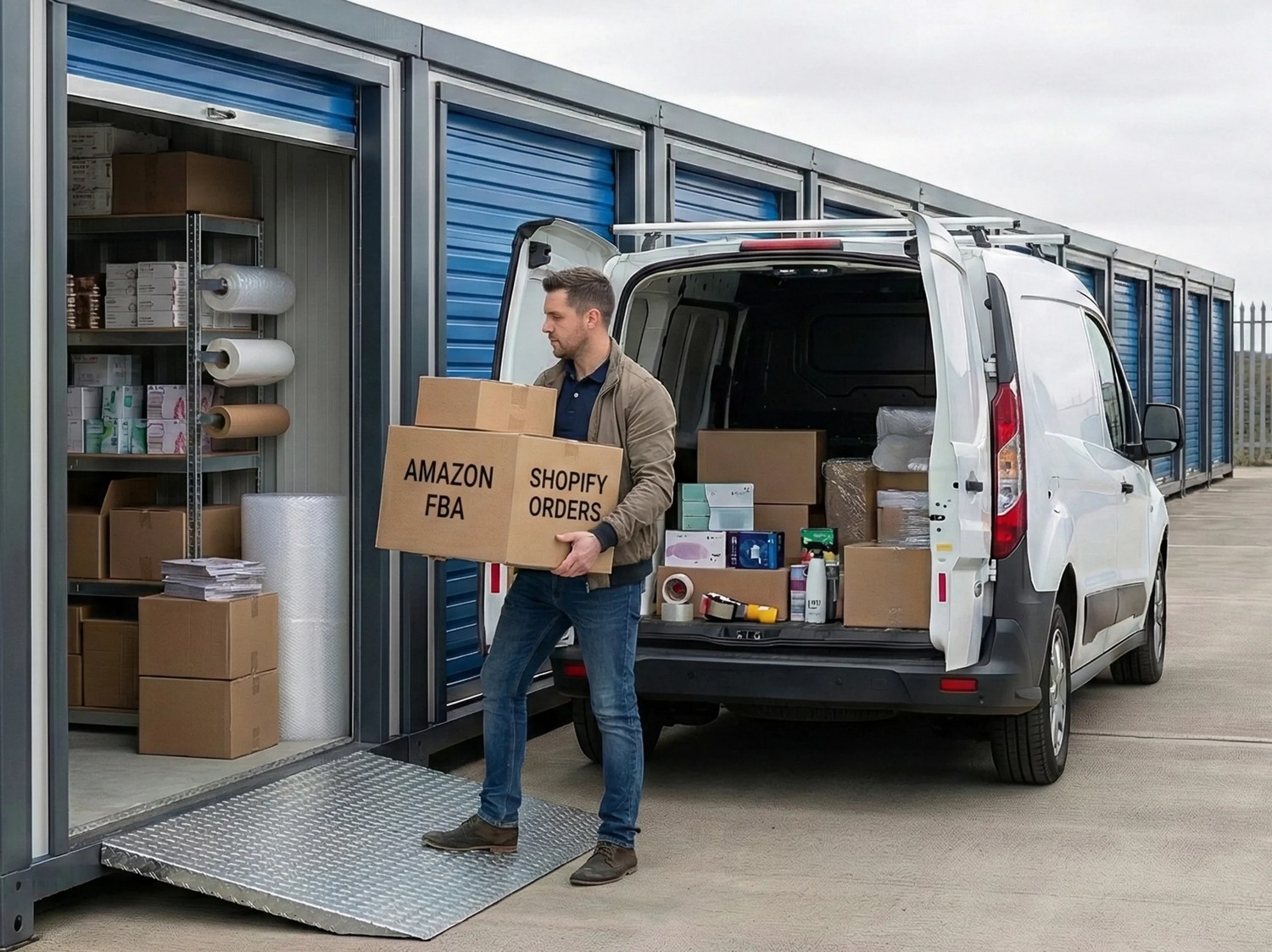
Before the Boxes Disappear: How to Document Belongings for Long-Term Storage
Putting belongings away for several months or years changes the way they should be prepared. When boxes remain untouched for a long period, memories of their contents can become surprisingly vague. A container that seems obvious today may be difficult to identify later, especially when dozens of similar boxes are stacked together.
Documentation solves that problem. A clear record can show exactly what was packed, where it was placed, what condition valuable items were in, and which container should be opened when something is needed. It takes little effort compared with searching through an entire storage collection months later.
Decide What Needs Detailed Documentation
Not every household item requires the same level of attention. Everyday objects can usually be recorded with a simple description, while valuable, fragile, electronic, or unusual belongings deserve more detail.
Start by dividing possessions into categories such as furniture, electronics, artwork, collectibles, documents, clothing, kitchenware, and miscellaneous household items.
Give priority to important belongings
For higher-value items, record:
- A clear description
- Brand, model, or identifying information
- Serial numbers when applicable
- Existing marks or imperfections
- Approximate quantity
- Photographs
- Assigned box or storage reference
For ordinary boxes, a shorter entry may be enough. The goal is to create a useful record rather than turn the entire packing process into paperwork.
Photograph Items Before They Are Wrapped
Pictures can communicate details that words sometimes miss. Before placing valuable belongings into protective materials, photograph them from several angles.
Capture distinctive features, existing scratches, decorative details, labels, and serial numbers. For furniture, include surfaces, corners, hardware, and areas that could be vulnerable during handling.
A consistent photo system makes the collection easier to navigate later. Use the same identification code in the photograph filename and inventory record whenever possible.
For example, a file labeled “ST-042” should correspond to the same reference used for the relevant item or container.
Build the Inventory Around Containers
The most practical documentation system connects individual belongings to their physical location.
If several items are packed together, assign the container a unique number. Then record what is inside without making the description unnecessarily long.
A useful entry might read:
ST-021 — Dining room — Glassware, serving pieces, table linens
This is considerably more informative than “Box 21.”
For people preparing belongings for long-term storage, it is also useful to keep the master inventory separate from the physical boxes. Price Movers provides storage and moving information at https://pricemovers.com/.
Record Condition Before Storage
Documentation is not only about knowing what you own. It can also establish the condition of important belongings before they are placed away.
Inspect furniture, electronics, artwork, antiques, and other valuable possessions carefully. Note existing scratches, dents, discoloration, missing components, or other visible characteristics.
Be precise without overcomplicating things
There is no need to write a lengthy report for every object. A short statement such as “small scratch on rear left corner” may be enough.
For particularly valuable belongings, take close-up photographs of the noted area. This creates a stronger visual reference and makes future inspections easier.
Keep Important Information Together
An inventory becomes much less useful if it is scattered across notebooks, phone photographs, emails, and random files.
Choose one primary location for the documentation. A spreadsheet can work well because it allows you to sort belongings by container, category, room, or description.
You can include columns for:
- Inventory number
- Item description
- Quantity
- Condition
- Container number
- Photograph reference
- Special handling notes
- Intended destination
Back up the file so that it remains accessible even if your computer or phone changes.
Make Long-Term Storage Easier to Navigate
Documentation should reflect how belongings will actually be stored. If containers are arranged by category, make that structure part of the inventory.
For example, furniture might occupy one section, seasonal possessions another, and archived household materials a separate area. This creates a logical map rather than a random collection of boxes.
The information about long-term storage at https://pricemovers.com/services/storage/long-term-storage can also help when considering how belongings should be prepared for an extended storage period.
Update the Record When Something Changes
An inventory should not be considered finished the moment the last box is sealed. If a container is opened, an item is removed, or additional belongings are added, update the record.
This is particularly important during a long storage period. A document created several years ago may otherwise describe what was originally packed rather than what is actually there.
Reviewing the inventory periodically can also reveal items that are no longer needed or possessions that should be brought back into regular use.
Good documentation turns long-term storage from a collection of forgotten boxes into an organized archive. When every important possession has a clear description, condition record, photograph, and location, finding something later becomes a straightforward task instead of an excavation project.

Related Posts