U.S. economic growth slowed unexpectedly in the second quarter, as tariffs and Iran war cut into gains
U.S. economic growth slowed in the second quarter amid a widening in the trade deficit, but an acceleration in consumer spending and robust business investment in equipment related to the buildout of artificial intelligence infrastructure pointed to underlying strength.
Read more Trump’s Iran war frustration and on the frontline of France’s wildfire: Morning Rundown
Gross domestic product increased at a 1.5% annualized rate last quarter, the Commerce Department’s Bureau of Economic Analysis said in its advance estimate of second-quarter GDP on Thursday. Economists polled by Reuters had forecast GDP rising at a 2.1% pace. Estimates ranged from a 0.8% rate to a 2.9% pace.
The survey was, however, conducted before the release of June’s advance economic indicators report, which showed a moderate contraction in the goods trade deficit and retail inventories unchanged. That data prompted some economists to cut their GDP estimates by as much as 0.8 percentage point to as low as a 1.5% rate. The economy grew at a 2.1% pace in the first quarter.
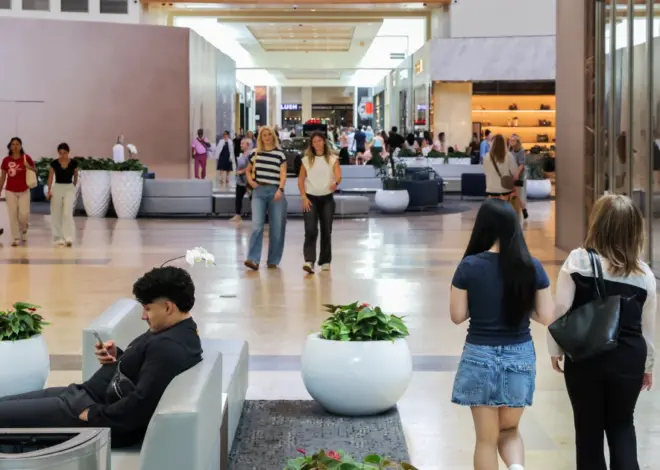
Consumer spending, which accounts for more than two-thirds of U.S. economic activity, surged at a 3.2% rate last quarter after abruptly slowing to a 0.5% growth pace in the January-March quarter. Despite the Middle East conflict, spending has remained resilient, in part thanks to bigger tax refunds this year, which provided a cushion for consumers against higher gasoline prices stemming from the war.
In addition to generous tax refunds from President Donald Trump’s “One Big Beautiful Bill,” higher-income households who are benefiting from strong growth in asset prices are also driving spending. The recently ended FIFA World Cup tournament also likely helped to spur spending as did midterm election-related spending by nonprofits.
The AI investment boom, which is showing no signs of slowing despite investor concerns that valuations of many technology companies have become stretched, is also helping to prop up domestic demand. But economists warned that the U.S.-led war with Iran, now in its sixth month, posed a downside risk to demand and ultimately economic growth in the second half of the year.
Read more Father of boy rescued from pounding California surf says he is beyond grateful to teen lifeguard
The Federal Reserve on Wednesday left its benchmark overnight interest rate in a 3.50%-3.75% range. Three members of the U.S. central bank’s policy-setting committee dissented. They “preferred” a quarter-percentage-point hike.
The Fed described economic activity as “expanding at a solid pace despite elevated uncertainty that owes, in part, to the conflict in the Middle East.” Economists expected the Fed to raise interest rates as soon as September to quell inflation, which also factored into their expectations for slower economic growth in the second half.
Average gasoline prices have risen back above $4 a gallon amid renewed hostilities in the Middle East. With wages barely keeping up with inflation, households have been tapping savings and saving less to maintain spending, a situation that economists said could not continue indefinitely.
Some expected households to start focusing on savings as a precaution in light of the economic uncertainty.
Read more Iran vows to ‘punish the aggressor today’ after U.S. unleashes ‘heavy wave’ of strikes