Trump escalates trade war with Canada, moving to ban imports of some motorcycles, dairy and alcohol
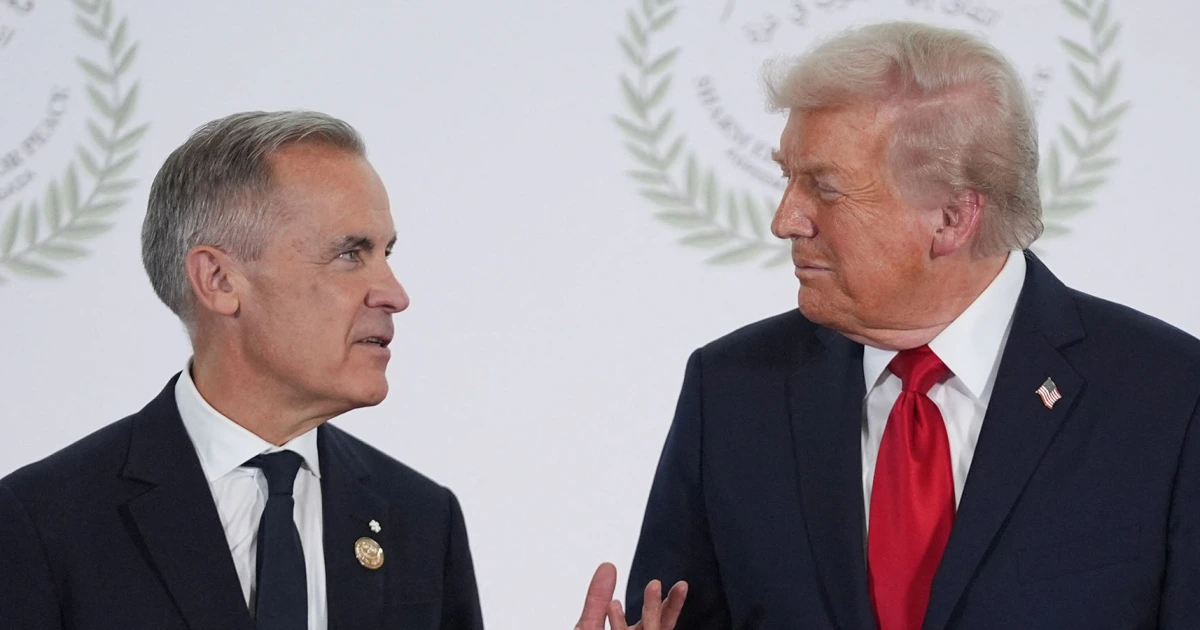
President Donald Trump moved Tuesday to sharply escalate the trade war with Canada, seeking to block imports of some motorcycles, dairy products and alcohol.
Senior Trump administration officials said in a call with reporters that the move was in direct response to Canada’s latest retaliatory tariffs, which took effect at 12:01 a.m. Tuesday.
The ban on importing Canadian alcohol in particular closely mirrors bans on American alcohol that provinces across Canada put in place in early 2025. They were imposed after Trump introduced sweeping duties on Canada, America’s longtime northern ally.
The measures announced Tuesday were signed into law under Section 338 of the Tariff Act of 1930, documents posted to the White House website show. That trade law was never used until Trump implemented new tariffs on Canada under the statute in late August.
A senior Trump administration official told reporters on the call that the White House also completed “housekeeping” on tariffs already in place. Tariffs on cement, road salt and hospital pads were removed and replaced with duties on all-terrain vehicles, some cheeses and motorboats.
The import bans will go into effect in about three weeks — Sept. 29.
A White House official also said on Tuesday’s call that Trump’s plan for 50% duties on cars and trucks remains on the table. Trump recently threatened to impose those on Jan. 1.
The U.S.-Canadian relationship has been deteriorating severely. For nearly a year, U.S. officials have taken issue with Canada’s retaliatory tariffs.
“I’ve got two countries in the world that have retaliated against the United States for trade measures: the People’s Republic of China and Canada,” U.S. Trade Representative Jamieson Greer said in August. “That’s not the kind of company you really want to be running in.”
Days later, Canadian Prime Minister Mark Carney pulled the plug on negotiations with the U.S., citing “uneconomic” and “unfair” demands from American officials at the last minute. Trump administration officials have disputed that.
After those negotiations collapsed, Trump moved to rename Lake Ontario as “Lake America.” Canadian officials have said they will ignore Trump’s renaming.
“We’ll always call it Lake Ontario. Period,” Canada’s minister of industry, Mélanie Joly, said Aug. 27. “While all these shenanigans are happening, we’ll just be smart, and we’ll be strategic, and we’ll fight back.”
On Monday, Trump ratcheted up pressure on Canada once again, threatening the Canadian jet maker Bombardier. Trump wrote on Truth Social that the company should no longer be able to sell its products in the U.S.
Read more GOP Gov. Kelly Ayotte and Democrat Cinde Warmington to face off for New Hampshire governorship
Bombardier quickly pointed out that it supports thousands of U.S. jobs throughout its supply chain.White House officials said Tuesday night that Trump was still reviewing options for how to implement that idea.
Monday was also when Canada’s latest swath of retaliatory duties took effect, hitting hundreds of products, including steel, dairy, household appliances, farm equipment, paper and electronics with duties of 15% to 50%.
The spirits industry was pushing trade officials to get back to negotiating. “We urge leaders on both sides of the border to reach a negotiated solution that restores U.S. spirits to retail shelves throughout Canada and returns the spirits sector to a permanent zero-for-zero tariff framework,” said Chris Swonger, president of the Distilled Spirits Council of the U.S.
For Carney, Canada will not be returning to the negotiating table anytime soon.
“When the Americans stop doing memes, stop throwing shade, stop trying to be tough and start being serious about having those discussions, we can have those discussions,” he said last week.
Since Carney terminated trade talks on Aug. 21, top officials, such as Treasury Secretary Scott Bessent, have mocked Canada and its economy. Trump has also posted numerous AI memes on social media about Canada, and the White House’s official X account posted an image of a bald eagle stepping on what appears to be a Canada goose.
On Sunday, Bessent likened Canada to “a little yippy dog” in an interview with Fox News Channel.
Carney remained steadfast Tuesday, even as he said that the Trump administration was trying to “break” Canada with tariffs.
“With a resilient economy and the strongest fiscal position in the G7, we have everything we need to pivot and prosper,” Carney said in a YouTube video.
In a statement late Tuesday, Dominic LeBlanc, the Canadian minister responsible for U.S. trade relations, said the Canadian government was “assessing the latest tariff measures from the United States.”
LeBlanc said Canada was focused on protecting its workers and businesses. “I am in contact with Ambassador Greer,” he added. “When the U.S. is ready to engage, our government will work in good faith and constructively toward a more secure, mutually beneficial trading relationship that fully respects Canadian sovereignty.”
As trade talks with Canada remain on ice, Commerce Secretary Howard Lutnick is set to travel to Mexico on Wednesday, according to Mexico’s trade minister. Economy Minister Marcelo Ebrard said on X that Lutnick would meet with Mexican President Claudia Sheinbaum to discuss the two countries’ trading relationship.
Read more OpenAI says it solved one of math’s hardest problems, but controversy taints the milestone