U.S. airlines favor higher fares over fuller planes as fuel costs squeeze profits
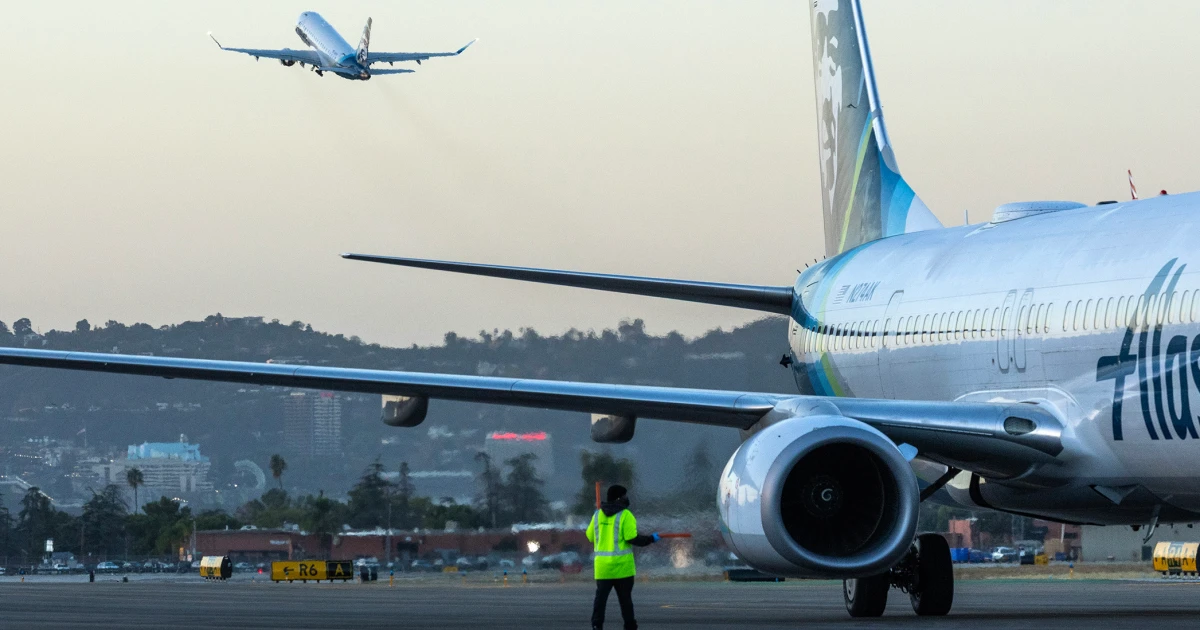
U.S. airlines are increasingly willing to fly with empty seats rather than slash fares simply to fill them, betting that disciplined pricing and flight schedules will help protect profits at a time of soaring fuel costs.
Read more Trump’s border chief defends planned wall in Texas’ Big Bend despite court-ordered pause
The strategy has delivered substantial revenue gains as demand has held up despite sharp fare increases. Yet profits have still been squeezed as jet fuel prices surged roughly 90% since the US-Israeli war on Iran began in February, forcing several major carriers to cut earnings forecasts.
Executives at Delta Air Lines, United Airlines, American Airlines, Southwest Airlines and Alaska Air Group have emphasized protecting margins over boosting passenger volumes.
Their resolve faces a test in 2027. Industry schedules point to more flying capacity, potentially intensifying competition for passengers even as fuel prices are expected to stay high and making this year’s substantial fare gains harder to repeat.
“If fuel stays elevated, we have to continue to push yield up so that we can make a bit of money,” American Chief Financial Officer Devon May told Reuters on Thursday. Yield is the revenue airlines collect for each mile passengers fly.
Six major U.S. airlines plan to grow domestic capacity 3.0% in the fourth quarter from a year earlier and 3.8% in the first quarter of 2027, a sharp acceleration from just 0.2% growth in the third quarter, according to Airlines for America, citing Cirium data.
U.S. air fares rose an average of nearly 23% year-on-year in the seven months through September, far outpacing the 3.6% average increase in overall consumer prices, according to Labor Department data.

 FOR SUBSCRIBERSRepublicans have been touting wins and a growing coalition — in Latin America

FOR SUBSCRIBERSWhy baseball teams are replacing live stadium organists with modern music

FOR SUBSCRIBERSAnalysis: Trump promised $2 gas and cheaper groceries. Here’s what voters got.

FOR SUBSCRIBERSHe’s in the West Wing. He’s at the rally. He’s got Trump’s ear. Bill Pulte is everywhere.
FOR SUBSCRIBERSNew AI tool for voters offers a specialized chatbot to explain your ballot

FOR SUBSCRIBERSGOP retreats from North Carolina as Trump admits Democrats likely to win Senate seat

FOR SUBSCRIBERSNetflix’s latest cliff-hanger? Where it’s headed as a business

FOR SUBSCRIBERSOpenAI agents are shutting off ways to monitor misbehavior

FOR SUBSCRIBERSWhy John Turturro is having the best year of any New Yorker

FOR SUBSCRIBERSJames Talarico digs in with Black voters in pursuit of an elusive Democratic win in Texas

FOR SUBSCRIBERSRussian operatives likely spread fake videos targeting the Texas Senate race, researchers say

FOR SUBSCRIBERSRepublicans seek inroads with Black voters in Michigan’s tight Senate race

FOR SUBSCRIBERSEurope’s protests are about more than schools — they’re a generational roar
FOR SUBSCRIBERSTrump is desperate to bring gas prices down. The solution might be in India.
FOR SUBSCRIBERSInteractive map: How far do you live from the nearest data center?
FOR SUBSCRIBERSRepublicans have been touting wins and a growing coalition — in Latin America
FOR SUBSCRIBERSWhy baseball teams are replacing live stadium organists with modern music
FOR SUBSCRIBERSAnalysis: Trump promised $2 gas and cheaper groceries. Here’s what voters got.
FOR SUBSCRIBERSHe’s in the West Wing. He’s at the rally. He’s got Trump’s ear. Bill Pulte is everywhere.
FOR SUBSCRIBERSNew AI tool for voters offers a specialized chatbot to explain your ballot
FOR SUBSCRIBERSGOP retreats from North Carolina as Trump admits Democrats likely to win Senate seat
FOR SUBSCRIBERSNetflix’s latest cliff-hanger? Where it’s headed as a business
FOR SUBSCRIBERSOpenAI agents are shutting off ways to monitor misbehavior
FOR SUBSCRIBERSWhy John Turturro is having the best year of any New Yorker
FOR SUBSCRIBERSJames Talarico digs in with Black voters in pursuit of an elusive Democratic win in Texas
FOR SUBSCRIBERSRussian operatives likely spread fake videos targeting the Texas Senate race, researchers say
FOR SUBSCRIBERSRepublicans seek inroads with Black voters in Michigan’s tight Senate race
FOR SUBSCRIBERSEurope’s protests are about more than schools — they’re a generational roar
FOR SUBSCRIBERSTrump is desperate to bring gas prices down. The solution might be in India.
FOR SUBSCRIBERSInteractive map: How far do you live from the nearest data center?
Airlines are still seeking increases. JetBlue Airways initiated a $10 one-way increase in domestic published fares on Wednesday, JP Morgan said, following a similar United-led increase the previous week that Southwest subsequently matched.
United said it had nothing further to add, while Southwest said it does not publicly discuss pricing. JetBlue did not immediately respond to a request for comment.
A different approach
Airlines have long balanced fares against how full their planes are. But elevated fuel costs have made executives more willing to sacrifice occupancy and avoid discounts.
United’s commercial chief Andrew Nocella offered an example during Wednesday’s earnings call. Its leisure load factor, a measure of how many available seats are occupied, fell 1.3 percentage points in the third quarter.
Nocella acknowledged that the decline showed “a small amount of elasticity given higher ticket prices,” but called it “a trade we would make every day.”
Read more Justice Department asks appeals court to intervene in California ballot case
American Airlines planes flew less full in the third quarter even as passenger yields jumped more than 18%. Finance chief May told Reuters the trade was deliberate.
Delta has also been “managing the business for margins,” CEO Ed Bastian said.
Across Delta, United, American, Southwest and Alaska, passenger revenue rose nearly $8.8 billion, or 18%, in the third quarter from a year earlier, while passenger traffic increased less than 1%.
The divergence shows how much revenue growth now depends on earning more from each passenger rather than carrying more of them. Premium products and changes in passenger mix have also contributed to the gains.
The Transportation Security Administration screened 2.9% fewer people at U.S. airports in the quarter than a year earlier, raising questions about whether higher fares are beginning to discourage travel. Limited capacity growth and the shutdown of budget carrier Spirit Airlines have also weighed on traffic.
Airline executives insisted that demand remains resilient.
“Those higher fares are not causing an erosion of volumes,” Southwest CEO Bob Jordan told analysts, after the airline reported a nearly 22% increase in average passenger fares in the first nine months of this year.
The 2027 test
But record revenues have not been enough to shield profits from soaring fuel costs. Gulf Coast spot jet fuel prices have risen from $2.43 a gallon before the war began in February to $4.63 on October 20, according to U.S. Energy Information Administration data.
Delta and Southwest have cut their annual earnings forecasts, while American expects a full-year loss despite sharply higher passenger revenue.
Airlines are now scrutinizing expansion plans. American intends to slow growth considerably next year, with May saying the carrier was reassessing whether additional flights would generate enough revenue to cover their operating costs.
Southwest has pledged not to pursue growth at the expense of profitability, while United executives have cautioned that airlines’ published 2027 capacity plans may not materialize.
Such restraint could help maintain higher fares. But flying less can raise operating costs per seat, while pushing prices higher risks discouraging travelers who have already absorbed steep increases.
But airline executives say a disciplined approach on capacity can allow the industry to hold on to pricing gains.
Read more OpenAI agents are shutting off ways to monitor misbehavior
“We think these yield gains are very sustainable,” May said.