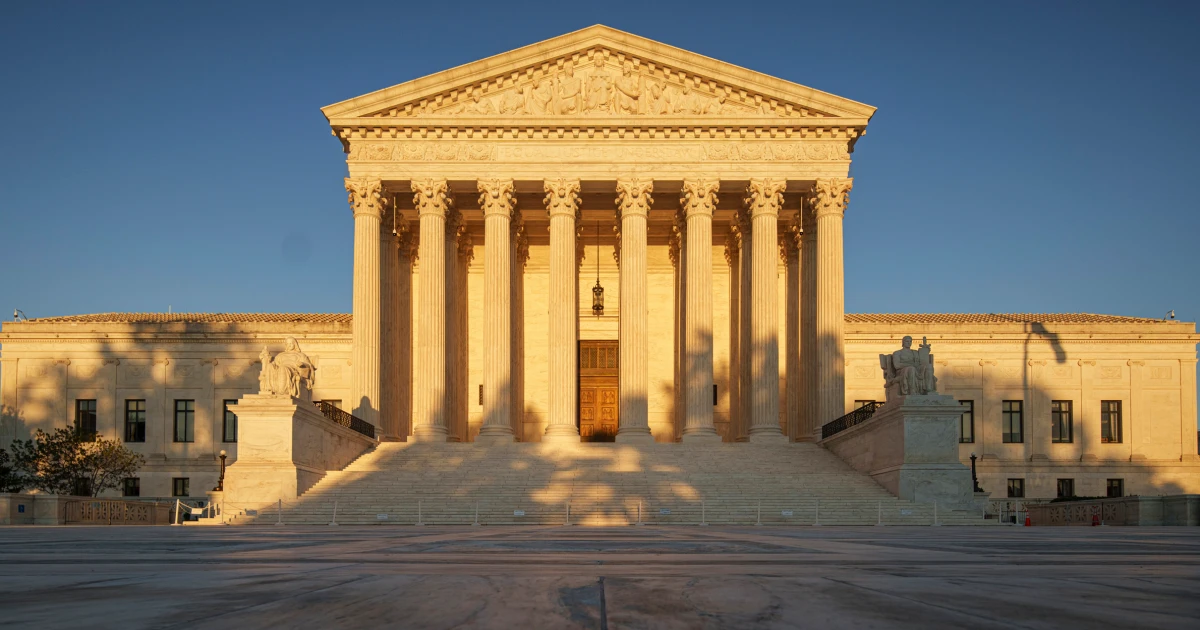
A new Supreme Court term begins with cases on climate change and gun rights
WASHINGTON — The Supreme Court’s new term begins Monday with cases on climate change, religious rights and President Donald Trump’s crackdown on immigration high on the agenda.
Read more Nolo changes from a hurricane to a typhoon after crossing the international date line
Here’s a look at what’s in store:
Climate change
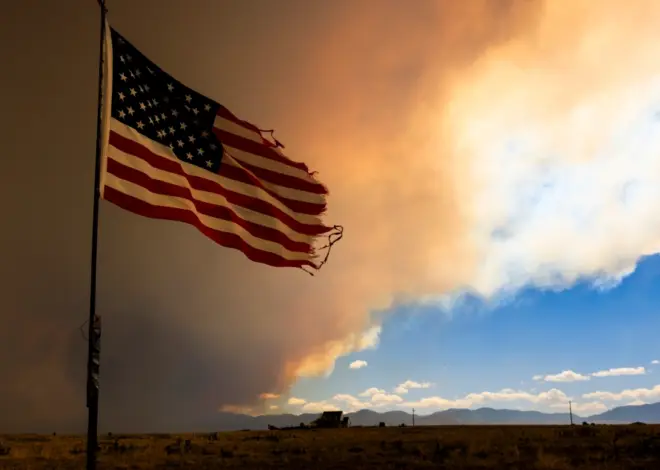
The high court is starting its term with a major climate change case. The justices will hear an appeal from energy companies trying to block dozens of lawsuits seeking to hold them liable in court for damage related to climate change.
Billions of dollars are potentially at stake in a case out of Boulder, Colorado, where local officials say the industry should help shoulder the escalating costs of disasters linked to climate change.
The companies, Suncor and ExxonMobil, say lawsuits aren’t the way to deal with the global issue. They have the backing of the Trump administration, which argues the litigation is a power grab intended to impose regulations on emissions.
Assault weapons bans
About a dozen states have banned semiautomatic rifles like AR-15s, which are often called assault weapons. They say the guns are disproportionately used in mass shootings, and banning them helps reduce gun violence.
Challengers say those laws violate the Second Amendment. They argue that AR-15s and other similar weapons are among the most popular and commonly owned guns in the country.
The conservative-majority court has expanded gun rights in recent years, and four justices had signaled that it was only a matter of time before the court took up the issue. The case will be considered in December.
Immigration
The court will hear two significant immigration cases with potentially big implications for Trump’s wide-reaching crackdown.

 FOR SUBSCRIBERSIn early clinical trial, people with Type 1 diabetes are able to go off insulin
FOR SUBSCRIBERS‘Daddy, we don’t want to die’: Daughters’ words pushed Flydubai passenger to confront attacker
FOR SUBSCRIBERSPoll: The Latino vote isn’t a monolith. Here’s how it breaks down by gender, generation and more.

FOR SUBSCRIBERSWhy 7 million fewer working women get paid time off than men

FOR SUBSCRIBERSTaiwan reckons with the prospect of fending for itself as Trump pivots on China
FOR SUBSCRIBERSHow Trump’s strikes against Houthis foreshadowed struggles in Iran war

FOR SUBSCRIBERSWalmart’s quest for market share expands with a new bohemian fashion brand

FOR SUBSCRIBERSDating under fire: With a shrinking population, Ukraine faces a demographic crisis
FOR SUBSCRIBERSHigh-profile special prosecutor takes over Cornell investigation

FOR SUBSCRIBERSMore than 10,000 ICE officers to receive additional training to reduce violent encounters

FOR SUBSCRIBERSKremlin critic and chess champion Garry Kasparov said FBI warned his life was in danger

FOR SUBSCRIBERSTom Cruise takes on a new mission: Selling ‘Digger’

FOR SUBSCRIBERS‘I am Jane Doe’: Cornell case spurs women to share their experiences of sexual assault on campus
FOR SUBSCRIBERSA sluggish Congress punts a long list of tasks until after the election

FOR SUBSCRIBERS‘Some of the medication has worn off’: Witness recalls failed Tennessee execution of Christa Pike
One is about deportations of migrants who can’t be quickly sent back to their home countries. The Trump administration has been sending thousands to other countries where they have no ties, under a series of often-secret agreements.
The Supreme Court will consider overturning lower court orders allowing them a chance to object. The justices have allowed the flights to continue in the meantime.
Read more NFL reviewing referee’s interaction with Arizona Cardinals player during game
FOR SUBSCRIBERSIn early clinical trial, people with Type 1 diabetes are able to go off insulin
FOR SUBSCRIBERS‘Daddy, we don’t want to die’: Daughters’ words pushed Flydubai passenger to confront attacker
FOR SUBSCRIBERSPoll: The Latino vote isn’t a monolith. Here’s how it breaks down by gender, generation and more.
FOR SUBSCRIBERSWhy 7 million fewer working women get paid time off than men
FOR SUBSCRIBERSTaiwan reckons with the prospect of fending for itself as Trump pivots on China
FOR SUBSCRIBERSHow Trump’s strikes against Houthis foreshadowed struggles in Iran war
FOR SUBSCRIBERSWalmart’s quest for market share expands with a new bohemian fashion brand
FOR SUBSCRIBERSDating under fire: With a shrinking population, Ukraine faces a demographic crisis
FOR SUBSCRIBERSHigh-profile special prosecutor takes over Cornell investigation
FOR SUBSCRIBERSMore than 10,000 ICE officers to receive additional training to reduce violent encounters
FOR SUBSCRIBERSKremlin critic and chess champion Garry Kasparov said FBI warned his life was in danger
FOR SUBSCRIBERSTom Cruise takes on a new mission: Selling ‘Digger’
FOR SUBSCRIBERS‘I am Jane Doe’: Cornell case spurs women to share their experiences of sexual assault on campus
FOR SUBSCRIBERSA sluggish Congress punts a long list of tasks until after the election
FOR SUBSCRIBERS‘Some of the medication has worn off’: Witness recalls failed Tennessee execution of Christa Pike
The other case is over the administration’s mandatory detention policy for immigrants who have been living in the U.S. illegally, even if they’ve been in the country for years.
The administration argues it can hold people without a bond hearing, but most appeals courts that have considered the issue disagree.
Voting
A Republican push to enforce strict Arizona voting laws will also come before the justices this term.
One measure requires people to show proof of citizenship when registering to vote using a state form, and another calls for regular purges of the voter rolls to remove people if their citizenship could not be confirmed.
It comes as Trump has failed to get legislation requiring documentary proof of citizenship for registering to vote through Congress. Arguments are set for December.
Religious rights
Catholic preschools that can’t take part in a taxpayer-funded program in Colorado will come before the court in November. It’s the justices’ latest case involving religious rights.
St. Mary Catholic Parish says it’s been left out of the state’s universal preschool program over its faith-based admissions policies, which exclude kids from LGBTQ+ families.
Colorado says religious schools are welcome to participate but have to follow nondiscrimination laws. The program was created by a 2020 ballot measure and provides public funding for preschool at schools selected by parents.
Read more U.S. military says latest strike on alleged drug-smuggling boat in the Caribbean kills 4

Related Posts
New Supreme Court term begins with a climate change case seeking to hold energy companies liable
Supreme Court allows Trump administration to use expanded database for potential voter purges
