California attorney general cancels talks with Paramount, accuses company of leaks
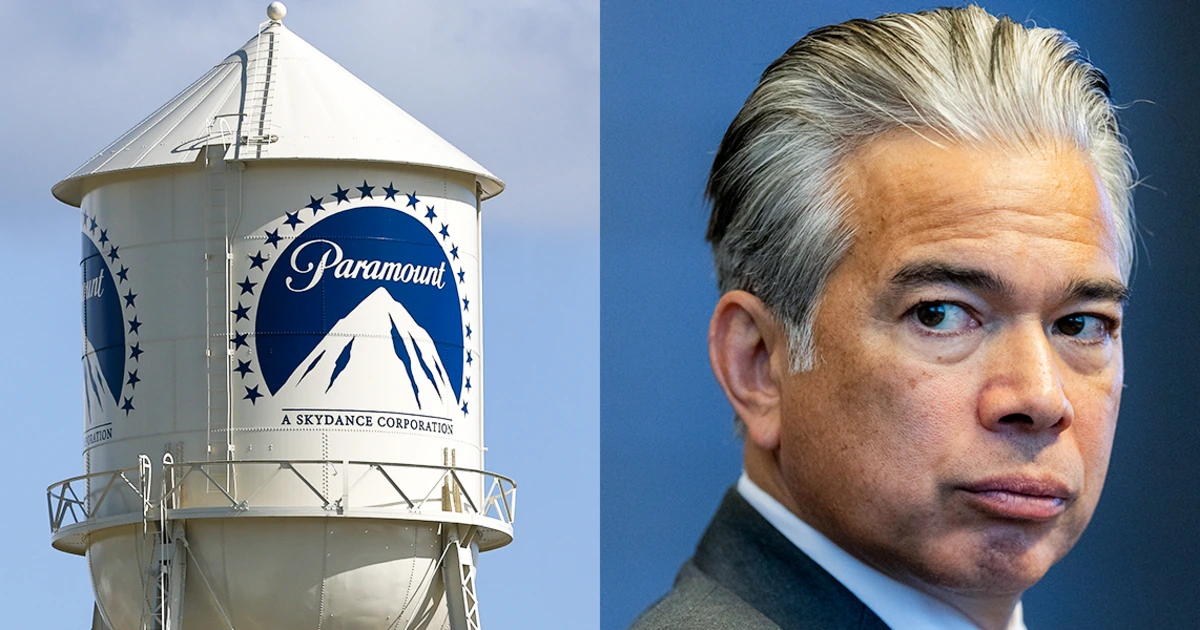
California’s attorney general called off a meeting Monday with Paramount Skydance to discuss a potential settlement of the state’s antitrust lawsuit seeking to block the media company’s $110 billion takeover of Warner Bros. Discovery.
Read more Border wall construction endangers these historic sites, groups say
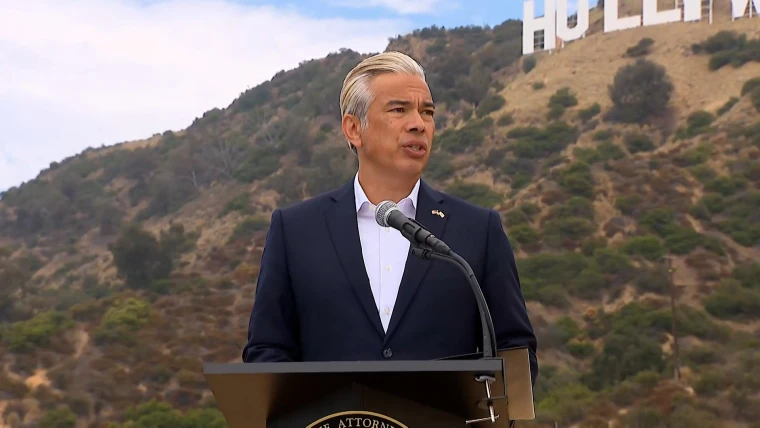
In a statement Monday morning, California Attorney General Rob Bonta confirmed he “pulled down this meeting” and accused Paramount of “playing games.”
“I prefer to resolve disputes in the boardroom, not the courtroom. As I’ve also said, if the opposing party in litigation wants to meet in good faith to make a sincere effort to resolve the case, we’ll meet,” Bonta said in part.
Bonta accused Paramount of leaking “the alleged substance of settlement discussions” that were held on Friday. “But they misrepresented these discussions, demonstrating a lack of good faith,” the Democratic official added.
In response to a request for comment Monday, a spokesperson for Paramount said the company shared Bonta’s “concerns about the public discussions and misreporting that has surrounded this deal.”
“As we have assured the Attorney General’s office, Paramount has not been the source of the leaks of any of our confidential discussions with the AG’s office,” the Paramount spokesperson added.
Bonta and the Paramount spokesperson appeared to be referring to a Wall Street Journal article published Saturday that detailed some of the conversation topics at Friday’s meeting.
The back-and-forth is the latest twist in a corporate saga that has riveted Hollywood in recent months.
- Add to Google
Twelve state attorneys general and the Writers Guild of America filed a lawsuit last month challenging the tie-up between Paramount and Warner Bros., two of the country’s leading entertainment and media conglomerates.
The states contend the deal violates federal antitrust law and threatens to “extinguish” economic competition in three markets: wide-release theatrical films, anticipated top-grossing movies and basic cable television distribution.
Paramount has flatly rejected those claims, calling the states’ lawsuit “wrong on both the facts and the law.” It has argued that the merger will increase economic competition and production output across film and television.
Read more As Ukraine’s allies gather for big anniversary, one key backer is absent
The company has agreed to freeze the merger until either the antitrust challenge is resolved or June 1, 2027 — whichever comes first. Judge Araceli Martínez-Olguín of the U.S. District Court for the Northern District of California, who is presiding over the case, scheduled an antitrust trial for early March.
Paramount has already won clearance from the Department of Justice and secured regulatory go-aheads from more than 60 territories around the world, including Australia, China and the European Union.
The combined corporation would be led by David Ellison, the 43-year-old son of Oracle mogul Larry Ellison. It would encompass two movie studios, two streaming platforms, a suite of cable channels and two marquee news organizations: CBS News and CNN.
Ellison has threatened to move Paramount out of its traditional headquarters in California unless Bonta opened settlement talks, according to a source who was in a closed-door meeting earlier this month but wasn’t authorized to speak about it on the record.
If the deal hasn’t closed by Oct. 1, according to the companies’ agreement, Paramount will be on the hook for a $7 million-a-day “ticking fee” to Warner Bros. shareholders, or roughly $650 million a quarter.
California political leaders have urged both sides in the legal conflict to get to a resolution.
“The continued uncertainty is not good for the workers, not good for productions and not good for the future of this industry,” Los Angeles Mayor Karen Bass, a Democrat running for re-election, said last week.
The Wall Street Journal has reported that California Gov. Gavin Newsom expressed concerns that the antitrust challenge could harm California employment if the deal is blocked.
In response to NBC News’ request for comment on that report, Newsom’s office said it “doesn’t comment on anonymous sources or unverified reporting.”
In the antitrust challenge, California is joined by the Democratic attorneys general of Arizona, Colorado, Connecticut, Massachusetts, Minnesota, Nevada, New Jersey, New Mexico, New York, Oregon and Washington.
Read more Deshaun Watson named Cleveland Browns starting quarterback