Secret Service study explores how to prevent workplace violence
WASHINGTON — The Secret Service, best known for protecting presidents and dignitaries, is leveraging its vast intelligence gathering, research capabilities and other tools to help prevent workplace violence.
Read more North Korea tells border troops to take ‘resolute action’ if South threatens their safety
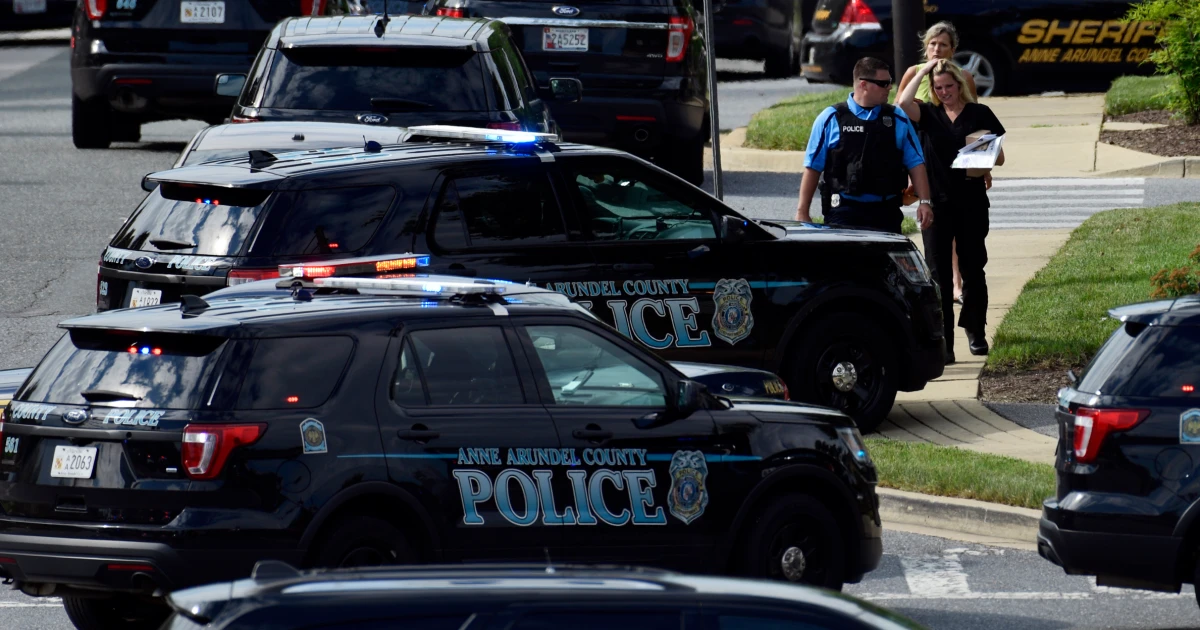
A new report seen by NBC News from the Secret Service’s National Threat Assessment Center analyzed 50 cases of workplace violence over the past decade to seek common motivations, tactics and warning signs, including the shooting at the Capital Gazette in 2018 in Annapolis, Maryland, in which a gunman killed five employees. In the incidents under review, 119 were killed and 128 were injured. The report was born of the center’s examination of mass attacks, which found most of the targeted locations were businesses.
“Which is why we launched this initiative,” said Lina Alathari, who leads the threat assessment center. “To look at how can we prevent targeted workplace violence. What is the thinking, behavior and circumstances of workplace attackers?”
The threat assessment center was developed to study how other kinds of attacks could be prevented. Officials use that knowledge and apply it in other situations, such as school shootings, mass attacks and now workplace violence.
The report, expected to be released Wednesday, is intended to provide guidance to businesses, human resources officials, local law enforcement agencies and mental health professionals who mitigate workplace risks.
Alathari said there are almost always warning signs before someone attacks. While the reviewed cases do not suggest that attackers belong to any specific demographic group, they do share similar patterns.
“Grievances are always the No. 1 motive that might sort of trigger someone to carry out an attack,” Alathari said.
Retail and service businesses are the most frequently attacked, because the public often has easy access, followed by manufacturing and healthcare facilities.
The connection between a targeted business and a perpetrator is typically direct and personal; 16 of the attackers were actively employed at the sites they targeted. Others are tied through current or estranged romantic partners, she said.
Read more China defends DeepSeek after U.S. ban of its AI from government systems
According to the Secret Service’s research, more than 40% of the suspects in cases of such violence had histories of domestic violence, but they were not always charged with crimes related to that violence, the report found.

 FOR SUBSCRIBERSPolice records reveal tensions between Cornell investigators and DA years before sexual assault case

FOR SUBSCRIBERSThe U.S. fertility rate has hit another record low, CDC finds. Is that good or bad?

FOR SUBSCRIBERSViral attack ad featuring candidate’s estranged mother rattles bitter Ohio governor race

FOR SUBSCRIBERSTrump keeps promising ‘goodies’ on the campaign trail — but only if Republicans win

FOR SUBSCRIBERSWhy 1 in 5 multiple sclerosis patients like Christina Applegate are misdiagnosed

FOR SUBSCRIBERSWhat students are actually watching on YouTube

FOR SUBSCRIBERSPentagon’s Afghanistan withdrawal review expected to condemn military leaders

FOR SUBSCRIBERSTrans choruses offer refuge and community amid a wave of restrictive policies

FOR SUBSCRIBERSThe Role of the International Criminal Court (ICC)

FOR SUBSCRIBERSThe New York Knicks are the defending champs — and the face of the NBA’s biggest dilemma

FOR SUBSCRIBERSHow France’s far right is using a weekend of riots and chaos to seize power

FOR SUBSCRIBERS‘I trusted you all’: Judges question Trump administration’s credibility

FOR SUBSCRIBERSShould the Eagles have played Jalen Hurts after he was diagnosed with a blood clot?

FOR SUBSCRIBERSBattleground state voters weigh who should oversee their elections

FOR SUBSCRIBERSThe Data Dive: Steve Kornacki on how Susan Collins could transcend Trump in Maine
FOR SUBSCRIBERSPolice records reveal tensions between Cornell investigators and DA years before sexual assault case
FOR SUBSCRIBERSThe U.S. fertility rate has hit another record low, CDC finds. Is that good or bad?
FOR SUBSCRIBERSViral attack ad featuring candidate’s estranged mother rattles bitter Ohio governor race
FOR SUBSCRIBERSTrump keeps promising ‘goodies’ on the campaign trail — but only if Republicans win
FOR SUBSCRIBERSWhy 1 in 5 multiple sclerosis patients like Christina Applegate are misdiagnosed
FOR SUBSCRIBERSWhat students are actually watching on YouTube
FOR SUBSCRIBERSPentagon’s Afghanistan withdrawal review expected to condemn military leaders
FOR SUBSCRIBERSTrans choruses offer refuge and community amid a wave of restrictive policies
FOR SUBSCRIBERSThe Role of the International Criminal Court (ICC)
FOR SUBSCRIBERSThe New York Knicks are the defending champs — and the face of the NBA’s biggest dilemma
FOR SUBSCRIBERSHow France’s far right is using a weekend of riots and chaos to seize power
FOR SUBSCRIBERS‘I trusted you all’: Judges question Trump administration’s credibility
FOR SUBSCRIBERSShould the Eagles have played Jalen Hurts after he was diagnosed with a blood clot?
FOR SUBSCRIBERSBattleground state voters weigh who should oversee their elections
FOR SUBSCRIBERSThe Data Dive: Steve Kornacki on how Susan Collins could transcend Trump in Maine
Given the prevalence of violence against intimate partners, the study urges workplaces to recognize signs and support employees.
“That includes empowering those who may be experiencing stalking, harassing, threats from romantic partners or other relatives to feel connected enough to come forward and ask for help,” Alathari said.
Most of the attackers used firearms, but others used knives, explosives or vehicles. Nearly 25% of the attacks involved more than one weapon. The resolutions of the incidents varied; in more than 75% of them, attackers stopped causing harm on their own and were arrested at the scene. Nearly half died by suicide. In 14% of the studied cases, law enforcement ended the violence by killing the suspect.
The National Threat Assessment Center Team described one case in which the suspect had been fired but the employee’s badge access remained active and allowed the attacker to return and gain access. It advised people to look for common warning signs: changes in behavior, depression, increased absenteeism, discussion of weapons, expression of violent thoughts or any kind of threats against co-workers.
Last year, the Secret Service led 400 training sessions on preventing mass violence for roughly 50,000 participants nationwide.
“There are always opportunities for intervention, and what I can tell you is that the cost of inaction can be deadly,” Alathari said.
Read more FAA clears the way for airlines to put Boeing’s long-delayed 737 Max 10 into service